Catch Leaks Early
Leaks around shingles, flashing, vents, chimneys, or skylights can allow moisture to travel beyond the original problem. A timely roof inspection helps identify the source before damage spreads.
Coastal rain and moss take a toll on Surrey roofs year-round. Here's how to spot the warning signs early, and how to choose a roofer who'll actually stand behind the work.
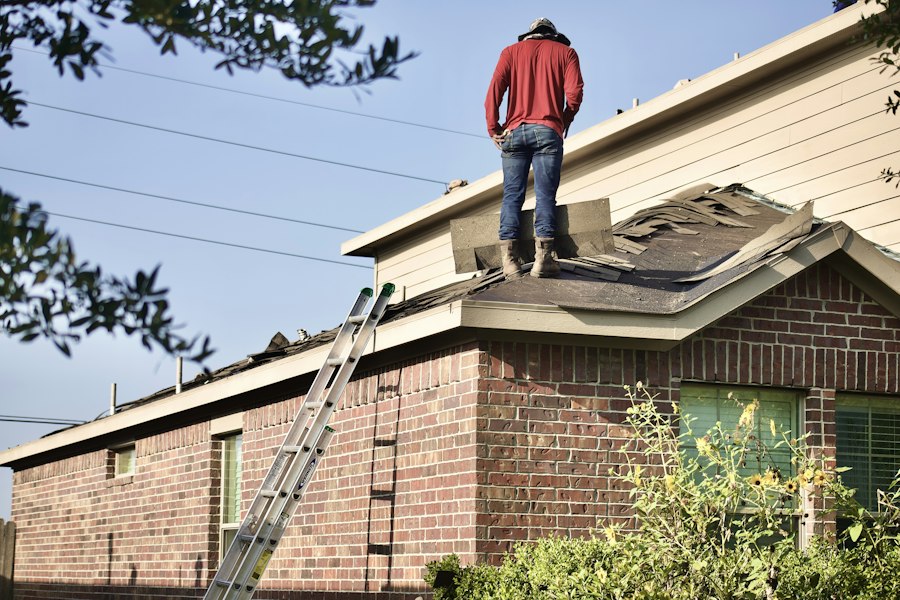
Roof problems can start with a small leak, a wind-damaged shingle, or visible wear that is easy to overlook. For Surrey homes, addressing these warning signs early can help prevent moisture from spreading into the roof deck and interior of the property.
Leaks around shingles, flashing, vents, chimneys, or skylights can allow moisture to travel beyond the original problem. A timely roof inspection helps identify the source before damage spreads.
Strong winds can lift, crack, or loosen roofing materials. Replacing damaged shingles and securing vulnerable areas can help restore the roof's weather protection before the next storm arrives.
Curling, cracked, loose, or heavily worn shingles can leave your roof more exposed to Surrey's wet weather. Targeted repairs may help extend the useful life of an otherwise serviceable roof.
Every roof has different repair needs. SRS Roofing can assess the condition of the affected areas and provide a written quote outlining the recommended work, so Surrey homeowners can understand what needs attention before deciding how to proceed.
Asphalt shingle leaks in Surrey usually come from wind-lifted tabs, cracked flashing, or moss. Compare three itemized quotes to confirm a fair price and avoid unneeded tear-offs.
Labor, materials, and disposal listed separately.
Check the whole roof, not just the leak point.
Confirm WorkSafeBC coverage and a local address.
Skip the cold calls. We'll match you with three vetted Surrey roofers.
Request 3 Free QuotesSurrey's wet season runs October through March, when moss lifts shingles and traps moisture. A maintenance plan costs less than repairs.
Spring and fall inspections plus moss treatment.
Choose PlanWe never pressure-wash shingles; moss is removed by hand.
Ranked by how often our crews see them; most are cheap to fix if caught early.
Move belongings and place a bucket.
Wet shingles cause falls.
Insurers usually ask for photos.
Same-day fixes cost less.
Answered day or night. Tell us what you see and we'll guide you, then send a roofer.
SRS Roofing provides dependable roof repair for homeowners throughout Surrey, helping address leaks, wind-damaged shingles, flashing issues, and other roofing problems before they become more extensive.
Roof repair services for homes in Newton, including properties affected by leaks, aging shingles, wind damage, and weather-related wear.
Homeowners in Guildford can address roof leaks, damaged shingles, flashing problems, and other common roofing concerns with targeted repairs.
From isolated leaks to worn roofing materials, professional repairs can help protect Fleetwood homes from ongoing moisture and weather exposure.
Roof repair solutions help Whalley homeowners deal with damaged shingles, flashing issues, water entry, and other roof problems.
Homeowners in Cloverdale can address roof deterioration and storm damage before small issues develop into more costly repairs.
Roof repair for South Surrey homes can help restore weather protection when leaks, wind damage, or aging roofing materials become noticeable.
Wherever you are located in Surrey, early roof repair can help protect your home from preventable water damage and further deterioration. For homeowners looking for a trusted roofing company in Surrey, SRS Roofing provides professional roofing services across Surrey and the surrounding Metro Vancouver area.
TL;DR
Four weather patterns cause most roof damage in Surrey: sustained heavy rain, wind-driven storms, freeze-thaw cycling, and UV/heat exposure during summer dry spells. Each one wears down a roof differently, so the right response depends on identifying which type of damage you're actually dealing with — not just scheduling a generic inspection.
Surrey's coastal Pacific climate is mild compared to most of Canada, but "mild" doesn't mean gentle on a roof. The combination of heavy, prolonged rainfall, occasional windstorms off the Strait of Georgia, winter freeze-thaw swings, and summer UV exposure creates a cycle of wear that's different from what roofs face in drier or colder inland climates. Understanding which weather pattern is causing a given problem makes it much easier to know whether you're looking at a minor repair or something more serious. That's the core of any good Roof Repair Guide in Surrey BC: diagnose the cause first, then decide on the fix.
Surrey receives the bulk of its rainfall between October and March, often in multi-day stretches rather than short bursts. This prolonged saturation is harder on a roof than an equivalent amount of rain delivered in a single storm, because it gives water time to find and exploit small weaknesses — a lifted shingle tab, a hairline gap in flashing sealant, a slightly under-lapped seam — that would shed a quick downpour without issue. Over years, this is what gradually degrades underlayment, causes granule loss on aging shingles, and slowly saturates any wood decking that's already been compromised by a smaller, unnoticed leak.
What to do: After the first heavy rain of the season, check attic spaces and ceilings for any new staining, even faint. Catching saturation-related leaks in the first season they appear is far cheaper than waiting until a stain becomes a visible drip.
Windstorms in the Fraser Valley and Metro Vancouver region, including Surrey, typically peak in late fall and winter, sometimes bringing gusts over 70 km/h. Wind damage to roofing is often less obvious than people expect — it rarely rips a whole section of roof away. More commonly, wind lifts the edges of individual shingles just enough to break their seal without fully detaching them, which leaves the roof looking intact from the ground while water can now work its way underneath that shingle during the next rain. Wind can also drive rain sideways under flashing and fascia that would otherwise handle vertical rainfall fine.
What to do: After any storm with sustained winds above roughly 50–60 km/h, a visual check (from the ground with binoculars, or via drone/photo if you have access) for lifted, curled, or missing shingle tabs is worth doing — even without an obvious leak yet, since a broken shingle seal often takes a few more rain events before it starts showing up indoors.
Surrey doesn't get extreme cold, but it does get repeated swings across the freezing point through December and January — cold nights followed by above-freezing days, sometimes several times in a single week. Any moisture that has worked its way into a seam, a crack in flashing sealant, or a gap around a fastener expands when it freezes and contracts when it thaws. Repeated over a winter, this slowly widens existing gaps and loosens fasteners, which is why flashing and sealant failures often show up or worsen noticeably every spring, even if no single storm caused an obvious problem.
What to do: Late winter or early spring (March–April) is the best time for a maintenance inspection specifically because freeze-thaw damage has had a full season to manifest but hasn't yet been made worse by summer sun exposure.
Summers in Surrey are drier and can bring stretches of strong, direct sun. UV exposure breaks down the asphalt oils in shingles over time, causing them to become brittle and lose the granules that protect them from further sun damage — a slow-moving process, but one that compounds: as granule coverage thins, more UV reaches the asphalt underneath, accelerating brittleness further. Rubber and sealant components (skylight gaskets, pipe boot collars) degrade from UV exposure faster than the metal or shingle material around them, which is why many skylight and vent leaks are actually UV-related sealant failures rather than storm damage.
What to do: Rubber pipe boots and skylight gaskets typically need replacement well before the shingles do — usually in the 8–12 year range — regardless of how the rest of the roof looks. Proactively replacing these on that schedule is cheaper than waiting for a leak to reveal the failure.
1. Document before you inspect. If a specific storm event caused visible damage, photograph it from the ground before doing anything else — this matters for insurance claims, which typically require evidence tied to a specific weather event rather than general wear.
2. Check inside before you check outside. Attic staining, ceiling discoloration, and musty odors are often the first sign of a problem, and they tell you roughly where on the roof to focus an exterior inspection.
3. Don't walk the roof yourself after a storm. Wet or wind-loosened shingles are both a safety hazard and easy to damage further underfoot — a professional inspection is worth the cost, especially right after severe weather.
4. Get a written scope before repairs start. Storm damage repairs sometimes get bundled with unrelated "while we're up there" upsells. A written, itemized scope tied to the specific damage found keeps the repair — and the cost — focused on what actually needs fixing.
5. Know when it's a repair vs. a full replacement. Isolated wind or flashing damage on an otherwise sound roof is almost always a repair. Widespread granule loss, multiple compromised areas, or a roof already near the end of its expected lifespan (typically 20–25 years for asphalt shingles in this climate) is when storm damage often becomes the deciding factor to replace rather than patch. Use this Roof Repair Guide in Surrey BC as a starting point, then confirm with a written quote.
TL;DR
Repair cost depends mainly on damage extent, roof access, and material match. Replacement cost depends on roof size, pitch, layers removed, decking condition, and material. For Surrey's wet climate, architectural asphalt shingles offer the best value; metal roofing wins on lifespan and moss resistance.
Damage extent, roof access and height, material match availability, rotted decking (usually the biggest swing), repair type (chimney and skylight flashing cost more than open-field shingles), emergency timing, and warranty status.
Roof size in squares is the largest driver, followed by pitch and complexity, tear-off layers, decking replacement, underlayment and ice-and-water shield, flashing and ventilation upgrades, Surrey permit fees, home height, and peak-season demand. Material choice swings cost most.
Heavy rain, moss, wind, and freeze-thaw reward moisture-resistant materials.
| Material | Cost / sq ft | Lifespan | Best For |
|---|---|---|---|
| Architectural asphalt shingles | $4.50–$7 | 20–25 yrs | Best overall value |
| Metal (standing seam / shingle) | $9–$14 | 40–60 yrs | Best long-term investment |
| Cedar shake | $8–$12 | 25–30 yrs | Traditional look, high upkeep |
| Synthetic / composite shingle | $7–$11 | 30–50 yrs | Cedar look, low upkeep |
| Torch-on membrane (SBS/APP) | $6–$10 | 15–20 yrs | Flat or low-slope roofs |
| Clay / concrete tile | $10–$18 | 50+ yrs | Specific architectural styles |
Most Surrey homeowners should choose architectural asphalt shingles for proven, cost-effective performance. If you're staying 30–40 years, metal roofing's higher upfront cost pays off through longevity, minimal maintenance, and excellent resistance to rain and moss.
TL;DR
Most roof damage in Surrey is preventable with a handful of routine habits: keeping gutters and downspouts clear, trimming overhanging branches, checking attic ventilation, removing moss before it spreads, and scheduling a professional inspection twice a year. None of these require climbing onto the roof yourself.
Roof damage in Surrey rarely happens all at once — it's almost always the slow result of a small, preventable issue left unaddressed through a few rain seasons. The good news is that most prevention doesn't require any roofing expertise, just a consistent routine and knowing what to look for. This Roof Repair Guide in Surrey BC walks through the eight habits that actually move the needle.
Clogged gutters are one of the single biggest preventable causes of roof edge and fascia damage in this climate. When gutters back up during Surrey's heavy fall and winter rain, water has nowhere to go but back up under the shingles at the roof edge, or over the side and directly against the fascia board and siding. Leaves, needles, and moss debris build up fast under the tree cover common in many Surrey neighbourhoods, so gutters should be cleared at minimum twice a year — once in late fall after leaves have dropped, and again in early spring.
Branches that overhang or touch the roof do damage in three separate ways: they physically abrade shingles during wind, they drop needles and leaves that trap moisture and accelerate moss growth, and they give rodents and other pests a direct bridge onto the roof. Keeping branches trimmed back at least a few feet from the roofline removes all three risks at once and is one of the lowest-cost preventative steps available.
Moss is more than cosmetic in this climate — its root structure holds moisture directly against the shingle surface, which accelerates granule loss and can lift shingle edges enough to let water underneath. Moss should be gently removed (never pressure-washed, which can strip granules and shorten shingle life on its own) as soon as it appears, particularly on shaded, north-facing slopes where it establishes fastest. Zinc or copper control strips installed along the ridge are a low-maintenance way to suppress regrowth between cleanings.
Poor attic ventilation traps warm, moist air against the underside of the roof deck, which contributes to condensation, premature shingle aging from the inside out, and — in colder snaps — can worsen ice damming at the eaves. Soffit and ridge vents should be checked periodically to confirm they're not blocked by insulation, debris, or nesting material, since blocked ventilation undermines an otherwise healthy roof from a direction most homeowners never think to check.
Since flashing is the most common point of leak failure in this climate (see the flashing section above), a simple annual visual check — from the ground or via photos — of chimney flashing, valley seams, and skylight edges for visible cracking, rust, or gaps catches problems while they're still a $150–$350 fix rather than a $1,000+ one.
This is a safety precaution in the literal sense, not just a roof-protection one. Wet, moss-covered, or aging shingles are genuinely dangerous to walk on, and foot traffic — even careful foot traffic — can crack shingles, dislodge granules, or loosen flashing that was otherwise intact. Ground-level or drone-photo inspection covers the vast majority of what needs checking; leave anything requiring an actual roof walk to a professional with the right harness and access equipment.
Given Surrey's specific weather pattern, the ideal inspection windows are early spring (to catch anything the winter's freeze-thaw cycling and heavy rain caused) and early fall (to confirm the roof is ready before the heaviest rain season begins). A professional inspection typically costs far less than the damage it prevents, and catching a small issue during a scheduled visit — rather than during an active leak — is consistently the cheapest way to maintain a roof's full lifespan.
A faint ceiling stain, a musty smell in the attic, or peeling paint near an exterior wall are all early warning signs that are far cheaper to act on immediately than to wait out. By the time a leak is dripping visibly indoors, water has usually been finding its way in for weeks or months already — acting on the first, smallest sign is what keeps a $300 repair from becoming a $3,000 one.
Liability, Safety & Assurances
Verified July 2026WorkSafeBC Coverage
Registered and compliant with WorkSafeBC requirements, ensuring workers are covered under provincial occupational health and safety guidelines — essential for multi-story flat roof projects.
Commercial General Liability (CGL)
Holds active liability insurance policies protecting residential, strata, and commercial properties from accidental structural damage or water intrusion during construction.
Workmanship Guarantee
Standard 10-year written workmanship warranty on full roofing installations, covering labor and application defects.
SRS Roofing & Exteriors
Surrey & Lower Mainland Roofing ContractorSRS Roofing & Exteriors has served Surrey and the Lower Mainland since 2009, completing over 1,000 residential and commercial roofing projects — including flat roof installations, replacements, and repairs across TPO, EPDM, modified bitumen, and built-up systems. Our work and client feedback are independently verifiable across Google, BBB, Yelp, and HomeStars.
Verified on
This Roof Repair Guide in Surrey BC groups answers by topic — flashing, weather damage, repair vs. replacement, cost & materials, and safety.
Flashing is the metal installed at every roof joint or penetration — chimneys, valleys, walls, skylights — that directs water away from those seams. It's the most common point of failure on an otherwise healthy roof, which is why any Roof Repair Guide in Surrey BC starts here.
Surrey's sustained heavy rainfall keeps flashing seams under prolonged pressure, and winter freeze-thaw cycling gradually widens any small gaps that develop, accelerating failure faster than in drier climates.
Typical ranges in this Roof Repair Guide in Surrey BC: spot resealing runs $150–$350, chimney counter-flashing replacement runs $400–$900, valley flashing replacement runs $500–$1,200, and skylight flashing kits run $350–$800 per skylight.
Chimney flashing, valley flashing, roof-to-wall (step) flashing, skylight flashing, and kick-out flashing — each fails for a different reason but all lead to water intrusion if left unaddressed.
A leak that appears after sustained rain rather than a single storm, staining directly below a chimney or wall junction, or visible rust/cracked sealant on metal flashing all point to flashing rather than shingle failure.
Simple resealing of an already well-installed seam is low-risk, but replacing or re-layering flashing requires the correct shingle-interweaving sequence — done incorrectly, it often traps moisture rather than shedding it.
It's a small L-shaped piece that diverts water away from a wall at the bottom of a roof-to-wall junction. It's frequently omitted on older homes and is a common hidden cause of wall and framing rot.
Coverage depends on cause — storm-related flashing failure is often covered, while gradual wear-and-tear failure typically isn't. Check your specific policy terms before assuming either way.
Most isolated flashing repairs (chimney, valley, or skylight) are completed in a single day, weather permitting, since they don't require full roof access equipment the way a replacement does.
Yes — installing new shingles over old, degraded flashing is a common shortcut that leads to leaks reappearing within a few years, since the flashing itself was never actually replaced.
Four patterns matter most in this Roof Repair Guide in Surrey BC: sustained heavy rainfall, wind-driven storms, winter freeze-thaw cycling, and summer UV/heat exposure — each wears down a roof in a different way.
No — wind often just breaks a shingle's seal without fully detaching it, which looks fine from the ground but lets water underneath during the next rain.
Moisture trapped in small gaps expands when it freezes and contracts when it thaws, gradually widening cracks and loosening fasteners over a winter of repeated cycling.
A visual check for lifted, curled, or missing shingle tabs — even without an active leak, since a broken shingle seal often takes a few more rain events to show up indoors.
UV exposure breaks down rubber gaskets and sealant faster than the surrounding metal or shingle, so many "summer leaks" are actually UV-related sealant failures revealed by the first fall rain.
Late winter to early spring (March–April), once the season's freeze-thaw cycling has had time to fully manifest any damage.
Yes — ground-level photos taken right after the event matter for insurance claims, which typically require evidence tied to a specific weather event.
No — wet or wind-loosened shingles are a safety hazard and easy to damage further underfoot. A ground-level or photo-based check is safer and usually sufficient.
Typically in the 8–12 year range, regardless of how the rest of the roof looks, since rubber components degrade from UV exposure faster than the shingles around them.
When damage is spread across multiple sections, or the roof is already near the end of its 20–25 year expected lifespan — at that point storm damage often becomes the deciding factor.
If the roof is under 15 years old, damage is localized, and repair cost is under roughly 25–30% of replacement cost, repair is usually right. Past 20 years old or with widespread damage, replacement is usually the better investment. Use this Roof Repair Guide in Surrey BC as a starting point, then confirm with an inspection.
Asphalt shingle roofs typically last 20–25 years in this climate, though this varies by material — metal and tile last significantly longer.
Yes — if a flashing seam or valley has been "fixed" more than once in a few years, it usually means the surrounding material is too degraded for repairs to hold long-term.
Significantly — if water has caused widespread decking rot, the repair scope expands to structural work, at which point it's often the same effective cost as a replacement.
If the roof is nearing end-of-life, proactive replacement on your own timeline is usually preferable to a rushed replacement forced by a buyer's inspection report.
Once cumulative repair costs approach 40% or more of a full replacement quote, replacement typically becomes the more cost-effective long-term choice.
It can be biased toward the larger job. If estimates diverge sharply between contractors, ask each for the specific evidence (age, decking condition, damage extent) behind their recommendation.
Yes — past 20 years old, sealant and underlayment degrade even without a visible leak yet, which is why age alone is a valid replacement factor.
It can be, but matching older shingle colour/style and ensuring proper transition flashing between old and new sections adds complexity — worth discussing directly with your contractor.
It varies widely by material and roof size/complexity — asphalt shingle replacement typically runs several thousand dollars for an average home, with metal, tile, or cedar running significantly higher per square foot. For repair-only costs, see the flashing figures in this Roof Repair Guide in Surrey BC.
In this Roof Repair Guide in Surrey BC, architectural asphalt shingles offer the best overall value; metal roofing is the strongest long-term performer for moss and moisture resistance if budget allows.
At $9–$14/sq ft installed with a 40–60 year lifespan, metal can outlast two or three asphalt roof cycles, making its total cost of ownership lower despite the higher upfront price.
It looks excellent but requires more active maintenance here — periodic treatment against moss and moisture is essential, or its lifespan shortens significantly compared to a drier climate.
Total roof size (measured in "squares" of 100 sq ft), followed closely by material choice and roof pitch/complexity.
Yes — removing and disposing of old roofing material is priced separately, and homes with multiple old layers cost more to tear off than a single-layer roof.
Torch-on (SBS/APP modified bitumen) membrane, specifically engineered to handle standing water and sustained rain exposure common on flat or low-slope sections.
Yes, in most cases the City of Surrey requires a permit for full roof replacements — a legitimate quote should account for this.
Steeper roofs require additional safety equipment and slow down installation, increasing labor cost per square compared to a simple, low-pitch roof of the same size.
Yes — it mimics the cedar or slate look while resisting moisture absorption far better, avoiding the ongoing treatment cedar requires in this climate.
Often modestly, yes — late summer/early fall is peak season across Metro Vancouver, while winter and early spring tend to see quieter demand and sometimes better pricing.
The most effective step in any Roof Repair Guide in Surrey BC is keeping gutters and downspouts clear — clogged gutters are one of the biggest preventable causes of roof edge and fascia damage in this climate.
At minimum twice a year — once in late fall after leaves drop, and again in early spring, given the tree cover common in many Surrey neighbourhoods.
Yes — moss holds moisture directly against shingles, accelerating granule loss and potentially lifting shingle edges enough to let water underneath.
No — pressure washing can strip protective granules and shorten shingle life. Gentle removal methods are recommended instead.
Poor ventilation traps warm, moist air against the roof deck, contributing to condensation and premature aging from the inside out.
Twice a year is ideal for Surrey's climate — early spring (post-winter damage check) and early fall (pre-rainy-season readiness check), which is the schedule this Roof Repair Guide in Surrey BC recommends.
No — wet, moss-covered, or aging shingles are genuinely dangerous, and foot traffic can crack shingles or loosen flashing that was otherwise fine.
A faint ceiling stain, musty attic smell, or peeling paint near an exterior wall are all early warning signs worth acting on immediately.
Yes — they abrade shingles in wind, drop debris that traps moisture, and give pests a bridge onto the roof. Trimming them back is a low-cost preventative step.
Yes — installed along the ridge, they release trace metal ions that suppress moss regrowth between cleanings, reducing how often manual removal is needed.
Part of our Roof Replacement Guide Surrey BC — browse related services below.
Customer Reviews
Got several quotes for our roof replacement and theirs landed right where we hoped. Rafael was a pleasure to work with — prompt, knowledgeable, and the crew's work was simply exemplary. They even fixed some chimney issues along the way.
Had a leak start overnight and called at 3am. Their team arrived within the hour and resolved it efficiently. Genuinely grateful for how fast and effective the response was.
Redid our roof with a full metal replacement. The team was extremely professional — a couple of weather delays, but that's just BC. Very happy with how it turned out.
Called around for gutter quotes and Omar's pricing was by far the most reasonable. Highly professional from start to finish, and they left the site thoroughly cleaned up.
Reliable and very competitive pricing, with a level of roofing knowledge that made the whole decision easier. Would go back to them without hesitation.
Third-party surveyed feedback rated the experience excellent and very professional overall — the kind of job that makes you want to call the same crew next time.
Reviews sourced from Google, Trustpilot, and GuildQuality's independent survey process. Individual jobs and results vary.
Website developed and maintained by Orbit Web Developers.